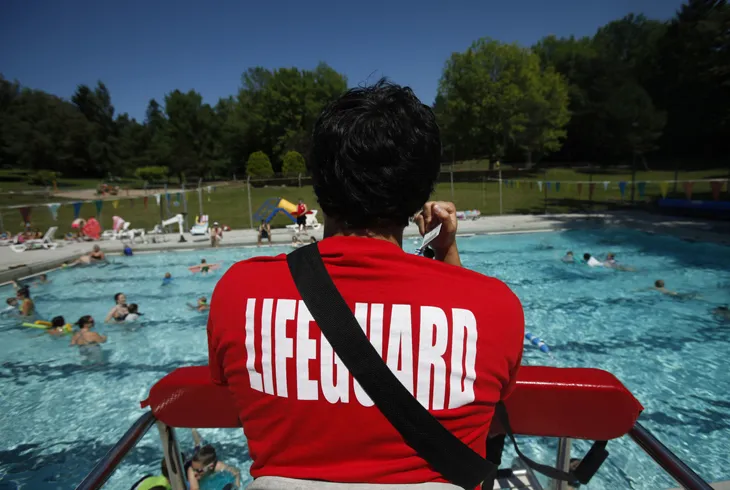
How to Get Trained as a Lifeguard and Build Safety Skills
- Camila cabello
- Education
- 2026-11-25 06:24:38
- 1432K
Becoming a lifeguard is a rewarding path for individuals who want to protect others, develop professional skills, and work in aquatic environments. Lifeguards play an important role in maintaining safety at swimming pools, waterparks, recreation centers, and other facilities where people enjoy water activities.
Many people believe that being a strong swimmer is the only requirement for becoming a lifeguard. While swimming ability is important, professional lifeguarding requires much more. A successful lifeguard must understand water safety, emergency response, rescue techniques, communication, and decision-making.
If you are wondering how to get trained as a lifeguard, the process begins with choosing a professional training program that teaches the knowledge and practical skills needed to handle real-world situations.
American Lifeguard events helps individuals develop essential aquatic safety abilities through structured lifeguard education designed for beginners and future professionals.
Why Lifeguard Training Is Important
A lifeguard’s responsibility goes beyond watching swimmers. Lifeguards are trained safety professionals who prevent accidents, recognize dangerous situations, and respond quickly during emergencies.
Professional training helps candidates learn how to:
- Identify swimmers who need assistance
- Prevent aquatic accidents
- Perform safe water rescues
- Provide emergency care
- Communicate during critical situations
- Work effectively with other safety professionals
A trained lifeguard has the confidence to make important decisions when every second matters.
Proper education also helps lifeguards understand that prevention is one of their most important duties. By observing swimmers and maintaining safety standards, lifeguards can reduce risks before emergencies happen.
Steps to Become a Trained Lifeguard
Learning how to get trained as a lifeguard involves several important steps. Each stage helps candidates develop the skills needed for professional aquatic safety responsibilities.
Step 1: Improve Your Swimming Skills
The first step toward lifeguard training is becoming comfortable and confident in the water.
Candidates should focus on improving:
- Swimming endurance
- Water confidence
- Breathing techniques
- Swimming speed
- Ability to stay calm in deep water
Many professional lifeguard programs require candidates to complete swimming skill evaluations before beginning training. These assessments help ensure that participants have the physical ability needed for rescue activities.
Strong swimming skills provide the foundation needed to learn advanced rescue techniques.
Step 2: Enroll in a Professional Lifeguard Training Program
After preparing physically, the next step is joining a recognized lifeguard training course.
A complete program should teach:
- Water rescue techniques
- Emergency response procedures
- CPR skills
- AED operation
- First aid knowledge
- Safety supervision methods
Professional courses combine classroom learning with practical activities so students can understand both the theory and application of lifeguarding.
Many programs offer different learning formats, including instructor-led training and blended learning options that combine online education with in-person skill practice.
Skills You Learn During Lifeguard Training
Professional lifeguard education prepares students for different emergency situations. Training focuses on building confidence, awareness, and practical abilities.
Water Rescue Skills
Rescue training is one of the most important parts of becoming a lifeguard.
Students learn:
- How to approach distressed swimmers
- Safe rescue methods
- Victim assistance techniques
- Emergency water entry
- Removing individuals from the water safely
Rescue practice helps future lifeguards understand how to respond effectively while protecting themselves and others.
CPR and Emergency Response Skills
A lifeguard may be the first person available to provide emergency assistance. Because of this, CPR and first aid knowledge are essential parts of training.
Candidates learn:
- CPR procedures
- AED usage
- Emergency assessment
- Basic first aid response
- Communication during emergencies
These skills allow lifeguards to provide immediate care while waiting for additional medical support.
Professional lifeguard programs typically include evaluation of rescue skills, CPR/AED knowledge, and emergency response abilities before certification is completed.
Benefits of Becoming a Trained Lifeguard
Completing lifeguard training provides many personal and professional benefits.
Develop Leadership Skills
Lifeguards are responsible for making decisions and guiding people toward safer behavior. Training helps develop:
- Leadership
- Responsibility
- Communication
- Confidence
- Problem-solving abilities
These skills are valuable in many careers beyond aquatic safety.
Create Career Opportunities
A lifeguard certification can open doors to many employment opportunities.
Trained lifeguards can work in:
- Swimming pools
- Waterparks
- Fitness facilities
- Resorts
- Community recreation centers
- Aquatic programs
For many individuals, lifeguarding is the beginning of a career focused on safety, recreation, and helping others.
Gain Valuable Life-Saving Knowledge
The skills learned during lifeguard training are useful in everyday life. Knowing how to respond during emergencies can help protect friends, family members, coworkers, and community members.
How Long Does Lifeguard Training Take?
The time required to complete training depends on the program format and requirements. Some courses are completed through intensive sessions, while others use flexible learning schedules.
A complete program usually includes:
- Learning safety concepts
- Practicing rescue skills
- Completing CPR and first aid training
- Demonstrating practical abilities
- Passing required assessments
Training duration can vary, but successful completion requires dedication and active participation.
Preparing for Your Lifeguard Training Course
Before starting a program, candidates can take several steps to improve their chances of success.
Practice Swimming Regularly
Consistent swimming practice improves endurance and confidence.
Improve Physical Fitness
Lifeguarding requires strength and stamina. Fitness preparation helps candidates perform rescue tasks effectively.
Develop Focus and Awareness
Lifeguards must constantly observe their surroundings. Improving concentration helps future lifeguards recognize potential dangers quickly.
Choose Professional Lifeguard Training With Confidence
Understanding how to get trained as a lifeguard is the first step toward building a successful aquatic safety career. Professional training provides the skills, knowledge, and confidence needed to protect swimmers and respond during emergencies.
A lifeguard is more than a pool employee. A lifeguard is a trained professional responsible for safety, prevention, and emergency response.
American Lifeguard events provides training opportunities designed to help individuals develop the essential skills needed for professional lifeguarding.
American Lifeguard events Contact Information
American Lifeguard events
8300 Boone Blvd, 5th Floor
Vienna, VA 22182, USA
Phone: 703-761-6750
Frequently Asked Questions
How do I start training to become a lifeguard?
Start by improving your swimming skills, choosing a professional training program, and completing required lifeguard education and assessments.
What skills are taught in lifeguard training?
Training includes water rescue, emergency response, CPR, first aid, swimmer supervision, and safety procedures.
Do I need strong swimming skills before becoming a lifeguard?
Yes, strong swimming ability is important because lifeguards must perform water rescues and handle emergency situations.
How long does it take to become a trained lifeguard?
The duration depends on the course format, training schedule, and required skill assessments.
Why should I take professional lifeguard training?
Professional training helps you develop the confidence, knowledge, and skills required to protect swimmers and respond effectively during emergencies.
1432 people like this


About Premium Author
This post has been authored and published by one of our premium contributors, who are experts in their fields. They bring high-quality, well-researched content that adds significant value to our platform.